Share
Leadership Letter
In 2025, rural communities across the country navigated a shifting policy landscape, reduced environmental protections, continued corporate consolidation, and growing pressure from industrial livestock operations. At the same time, we witnessed something powerful: neighbors organizing, growers speaking out, and advocates stepping forward to protect their communities and their land.
In moments like these, our mission feels more important than ever.
Throughout the year, SRAP deepened our commitment to standing alongside communities impacted by industrial livestock production. We supported more communities in need, expanded leadership development efforts, strengthened water monitoring partnerships, and advanced policy strategies rooted in local experience.
Over the past year, our programs and teams achieved several important milestones:
-
Secured 33 community wins across 13 states, helping communities challenge new and expanding industrial livestock operations;
-
Provided water monitoring to 11 states, equipping more than 200 participants with hands-on training and tools to monitor water quality;
-
Supported contract growers in seven states navigating corporate consolidation and predatory contract systems while exploring alternative pathways, and;
-
Secured a major environmental justice resolution agreement with the EPA, strengthening Delaware’s civil rights grievance procedures and language access following a Title VI complaint.
These accomplishments reflect the strength of communities working together to protect the places they call home. At the same time, we recognize the challenges ahead as corporate consolidation and attacks on local control require community organizing, intentional strategy, and strong partnerships.
We remain confident in the growing movement working toward a shared vision: rural communities deserve clean air and water, economic opportunity, and a future where socially responsible agriculture replaces industrial livestock production with systems that are ecologically sound, socially equitable, and economically viable.
Together, we are working toward a future where communities can all thrive.
Thank you for standing with us.
In partnership,
Mission, Vision, Values, Outcomes
MISSION
Through education, advocacy, and organizing, SRAP collaborates with communities to protect public health, environmental quality, and local economies from the damaging impacts of industrial livestock production and to advocate for a socially responsible food future.
VISION
Supported by SRAP, communities across the U.S. are able to replace industrial livestock production with ecologically sound, socially equitable, and economically viable animal agriculture.
VALUES
Socially responsible agriculture can rebuild critically needed topsoil, reduce water and air pollution, strengthen rural economies, and support human health and food security, all while providing climate resiliency. With socially responsible agriculture, we all thrive.
On the other hand, with industrial livestock production comes injustice … to the environment, to people, to animals, and to the planet. Today’s consolidated food and agriculture system drives independent family farmers off the land, abuses food system workers, perpetuates social and racial injustices, pollutes our air and water, exacerbates climate change, compromises animal welfare, extracts wealth from rural communities, and damages public health. In short, it harms every aspect of life.
SRAP provides free assistance to communities threatened by industrial livestock production facilities. Our commitment to diversity, equity, and inclusion is reflected in the communities we serve, many of which face social, economic, and racial injustices. We value individuality and lean on unique and varied perspectives to collaborate with communities to stand up to the abuses of factory farms while advocating for a socially responsible food future.
OUTCOMES
The outcomes by which we measure the success of all our programs are threefold:
- Fenceline communities are successful in preventing industrial livestock production from expanding, while holding existing facilities accountable;
- Communities, movement leaders, allied organizations, and SRAP have the tools, research, and data necessary to amplify unified campaigns and narratives;
- Impacted communities are connected with state and national coalitions to collectively advocate for a socially responsible animal agriculture system.
Organizational Highlights
For more than 20 years, SRAP has served as a mobilizing force to assist communities in protecting themselves from the damages caused by industrial livestock operations and advocating for a food system built on regenerative practices, justice, democracy, and resilience. Our team includes technical experts, independent family farmers, and rural residents who have faced the direct threats of factory farms in their communities.
SRAP is the only organization that works throughout the U.S. to provide direct support to fenceline communities facing the devastating environmental, human health, and socioeconomic impacts of industrial livestock operations. The organization has a unique vantage point in that it engages impacted communities at the local level but does so nationwide. This provides not only direct insight into the realities of what is happening on the ground in rural communities, but also how these conditions fit into nationwide patterns, needs, and overarching public policy initiatives.
In 2025, SRAP deepened and expanded our programs while laying the groundwork for the priorities outlined in our 2026–2029 Strategic Plan. We strengthened community support, grew leadership development efforts, expanded water monitoring and Tribal partnerships, and advanced tools and resources that help residents advocate for stronger protections.
This year marked meaningful growth—not just in numbers, but in depth of engagement, leadership development, and coordinated strategy across states.
Programmatic Accomplishments
COMMUNITY SUPPORT PROGRAM
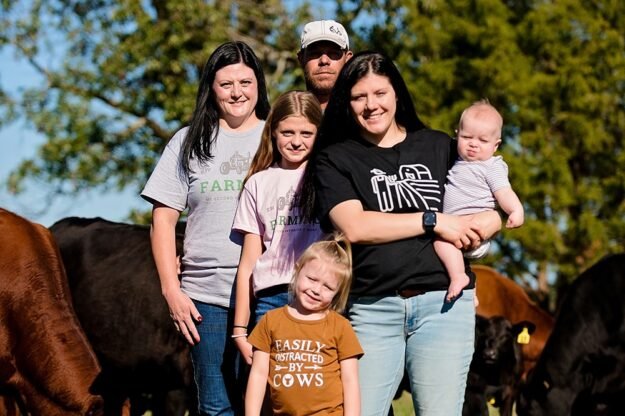
In 2025, SRAP’s Community Support Program supported 62 active cases across 24 states, assisting communities facing proposed CAFO expansions, digesters, zoning disputes, and permit challenges. Our team provided technical research, legal guidance, regulatory analysis, data interpretation, and organizing support to help residents navigate complex permitting systems and strengthen local protections. SRAP staff also supported communities in engaging directly with regulatory processes, including preparing public comments on CAFO permits, analyzing administrative decisions, and obtaining key documents through public records requests.
These efforts contributed to 33 community wins in 13 states. In Missouri, regulators halted a proposed poultry facility by informing applicants that their permit would be denied. In Oregon, a court required compliance with strengthened setback protections. In Pennsylvania, sustained community advocacy resulted in stronger ordinances limiting future digester projects. In Georgia, local organizing and preparation helped secure the denial of a proposed broiler CAFO and advanced zoning reform efforts. Further, many communities pursued reforms to operations ordinances, an opportunity to implement more sustained protections.
WATER RANGERS PROGRAM
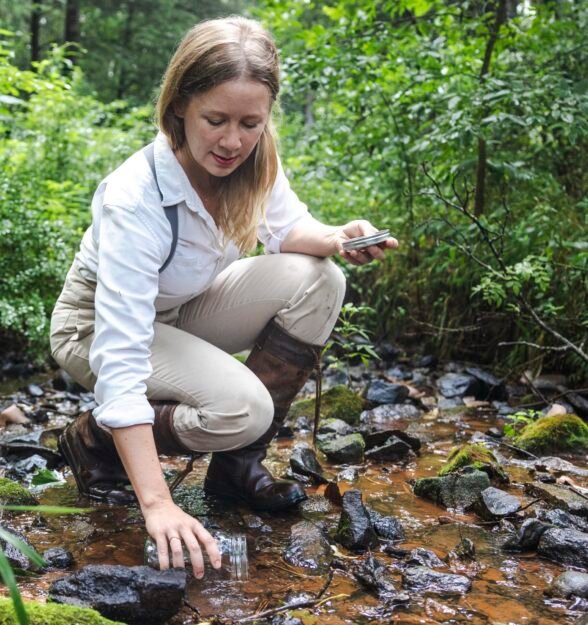
In 2025, Water Rangers conducted 24 trainings for 203 participants across 11 states, expanding both geographic reach and depth of engagement. Trainings combined instruction on water sampling and regulatory systems with site-specific, hands-on field experience.
The program strengthened partnerships with UCLA’s Jay Lab and launched new collaborations with the university. Engagement with Tribal Nations continued through partnership with Good Sky Guidance, including joint sampling efforts in Michigan with the Saginaw Chippewa Indian Tribe.
Annual survey results demonstrated sustained impact. Most respondents engaged regulatory agencies, submitted pollution complaints and public comments, and reported advocacy victories. Many participants continue active monitoring in their communities and expressed interest in additional training, reinforcing the program’s role in building long-term capacity.
CONTRACT GROWER TRANSITION PROGRAM
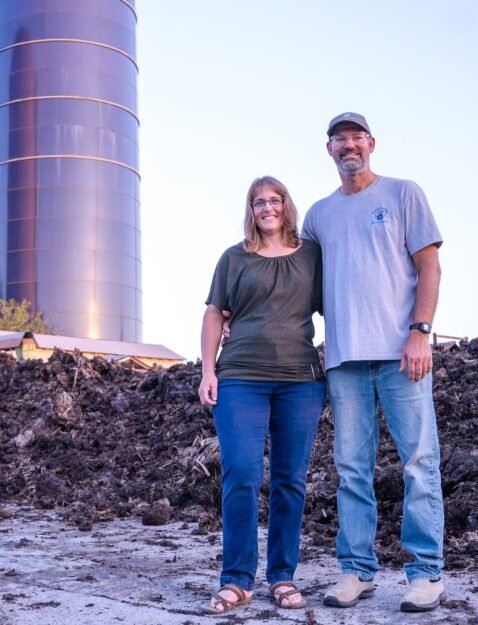
In 2025, the Contract Grower Transition Program supported growers navigating contract instability, financial strain, and legal challenges while exploring alternatives to industrial contract farming. Throughout the year, the team assisted 13 active cases across seven states, addressing contract review, bankruptcy considerations, USDA relief access, and complaints under the Packers & Stockyards Act. The team strengthened its coalition engagement through partnerships such as Farm Action’s Local Leader Program and continued working closely with its Contract Grower Advisory Board to ensure the program remains grounded in growers’ lived experiences. The program also refined its three-year strategic plan and prepared for the launch of a standalone website (www. growersunite.org) in early 2026 to increase accessibility and visibility for growers seeking support.
POLICY & ADVOCACY
In 2025, SRAP strengthened statewide coalitions and advanced policy advocacy across Wisconsin, Missouri, Indiana, Nebraska, and North Carolina. Through sustained partnerships and community engagement, SRAP supported local leaders confronting factory farm expansion, defending local control, and shaping regulatory reforms.
In Wisconsin, partners advanced legislative priorities and released research examining factory farm financing. In Missouri, SRAP supported coordinated responses to poultry CAFO expansion and strengthened engagement in statewide rulemaking processes. In Nebraska, staff assisted local leaders pursuing ordinance reforms governing CAFO siting. In North Carolina, SRAP remained engaged in coalition discussions addressing long-standing regulatory and environmental concerns.
At the national level, SRAP participated in policy tables focused on rural democracy, food system reform, and federal rulemaking. The organization also co-hosted a California Low Carbon Fuel Standard policy briefing with national partners to educate policymakers about the impacts of factory farm gas incentives and elevate community perspectives in state-level climate discussions.
Early in 2025, SRAP marked a major milestone when the Biden EPA’s Environmental Justice Office confirmed an informal resolution agreement with Delaware in response to SRAP and partners’ Title VI Complaint, securing improvements to the state’s civil rights grievance procedures, language access, and ongoing reporting requirements. The Complaint and the informal resolution agreement can serve as examples for how states and local governments can uphold civil rights procedural protections in an era of federal retraction of civil rights.
Research & Resources
SRAP continues to expand its GIS Portal and resources to support communities confronting industrial livestock operations. These tools help visualize environmental impacts, analyze regulatory data, and provide accessible information to strengthen community advocacy and decision-making.
By the Numbers
62 —New Community Support requests for assistance
24 —Total states worked in during 2025
592 —Virtual and in-person community meetings
73 —Public comment period engagements
98 —Community partnerships
32 —Workshops and trainings
88 —Media features
400,000—People reached through social media
Board of Directors and Staff
BOARD OF DIRECTORS
- Mike Callicrate
- Jessica Culpepper, Chair
- Austin Frerick, Treasurer
- Robert Lawrence, MD, Secretary
- Monica Richardson Brooks
- Don Stull
STAFF
- Reva Baylets, People Operations Associate
- Ashlen Busick, Food & Farm Network Director
- Rachel Casteel, Senior Regional Representative
- Susie Crutchfield, Regional Representative, Contract Grower Transition
- Michael Diaz, Regional Representative, Contract Grower Transition
- Cole Dickerson, Water Rangers Program Manager
- Mary Dougherty, Senior Regional Representative
- Sherri Dugger, Executive Director
- Tina Empey, Community Support Program Director
- Katie Engelman, Operations & Human Resources Director
- Hannah Esqueda, Communications DirectorLynn Henning, Water Rangers Program Director
- Eli Holmes, Senior Counsel
- Chris Hunt, Deputy Director
- Donald Hutchinson, GIS, Research & Resources Specialist
- Lia Kahan, Environmental Justice and Outreach Manager
- Teresa Mitchell Clausen, Senior Regional Representative
- Mercedes Taylor-Puckett, Finance Manager
- Craig Watts, Contract Grower Transition Program Director
- Charline Whyte, Staff Attorney
Professional & Team Development
In 2025, SRAP invested in staff development and organizational planning to strengthen our ability to support communities and advance our mission. Early in the year, the organization launched a three-phase strategic planning process that included an internal assessment, cross-team planning meetings, and engagement with staff, board members, and partners. This process culminated in the completion of SRAP’s 2026–2029 Strategic Plan, which guides the organization’s priorities and growth in the coming years.
Throughout the year, staff participated in professional development opportunities, including trainings on power dynamics and environmental justice, as well as SRAP’s annual staff retreat, which focused on collaboration and program alignment.
Several staff members also attended Farm Aid in Minneapolis, where they connected with partners and shared SRAP’s work with attendees in the Homegrown Village. The year also saw leadership transition, including the addition of a new Communications Director and the integration of the Food & Farm Network’s work across all SRAP’s programs to strengthen coordination around leadership development, coalition engagement, and policy advocacy.
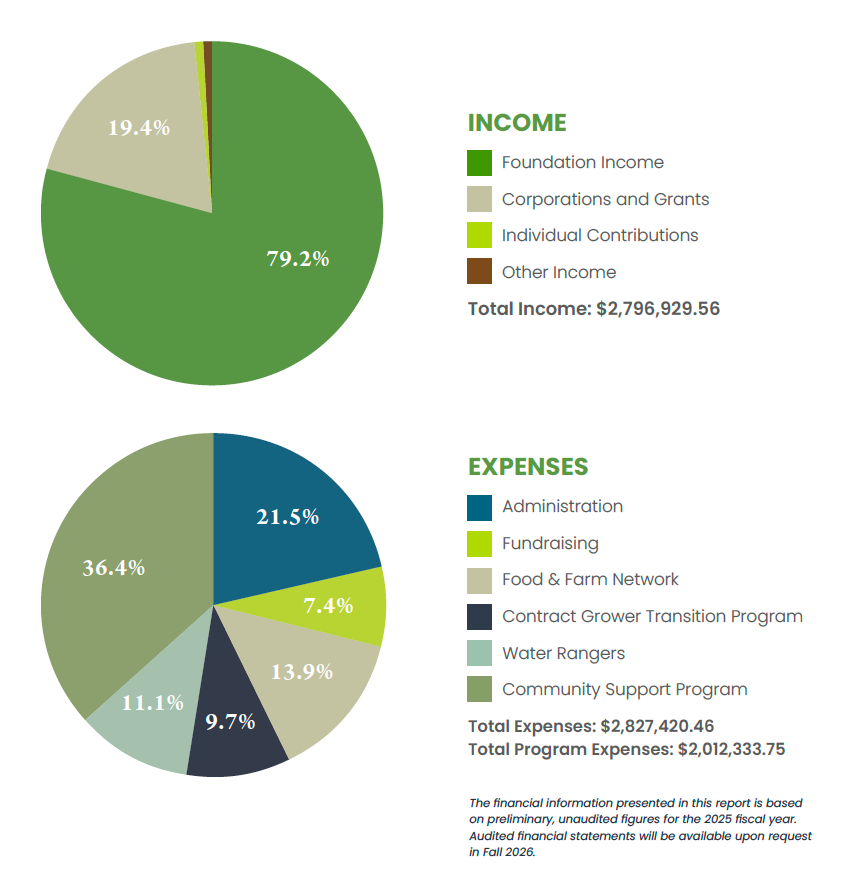
Financials
For more than 20 years, SRAP has served as a mobilizing force to help communities protect themselves from the damages caused by industrial livestock operations and to advocate for a food system built on regenerative practices, justice, democracy, and resilience.