Share
Harvesting Narratives
“Every farm has a story.”
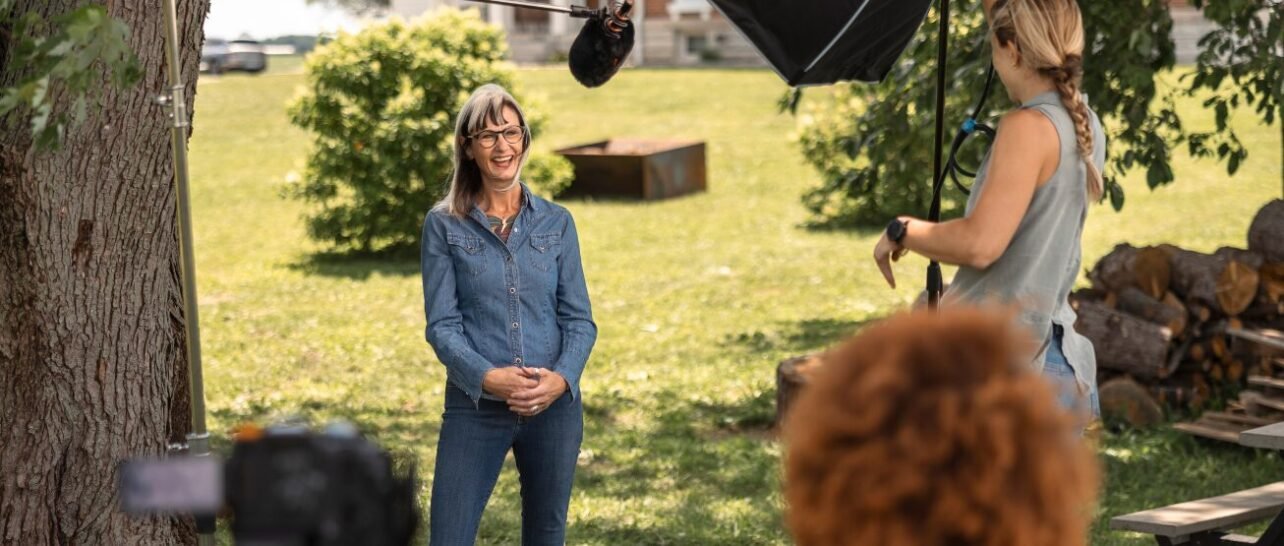
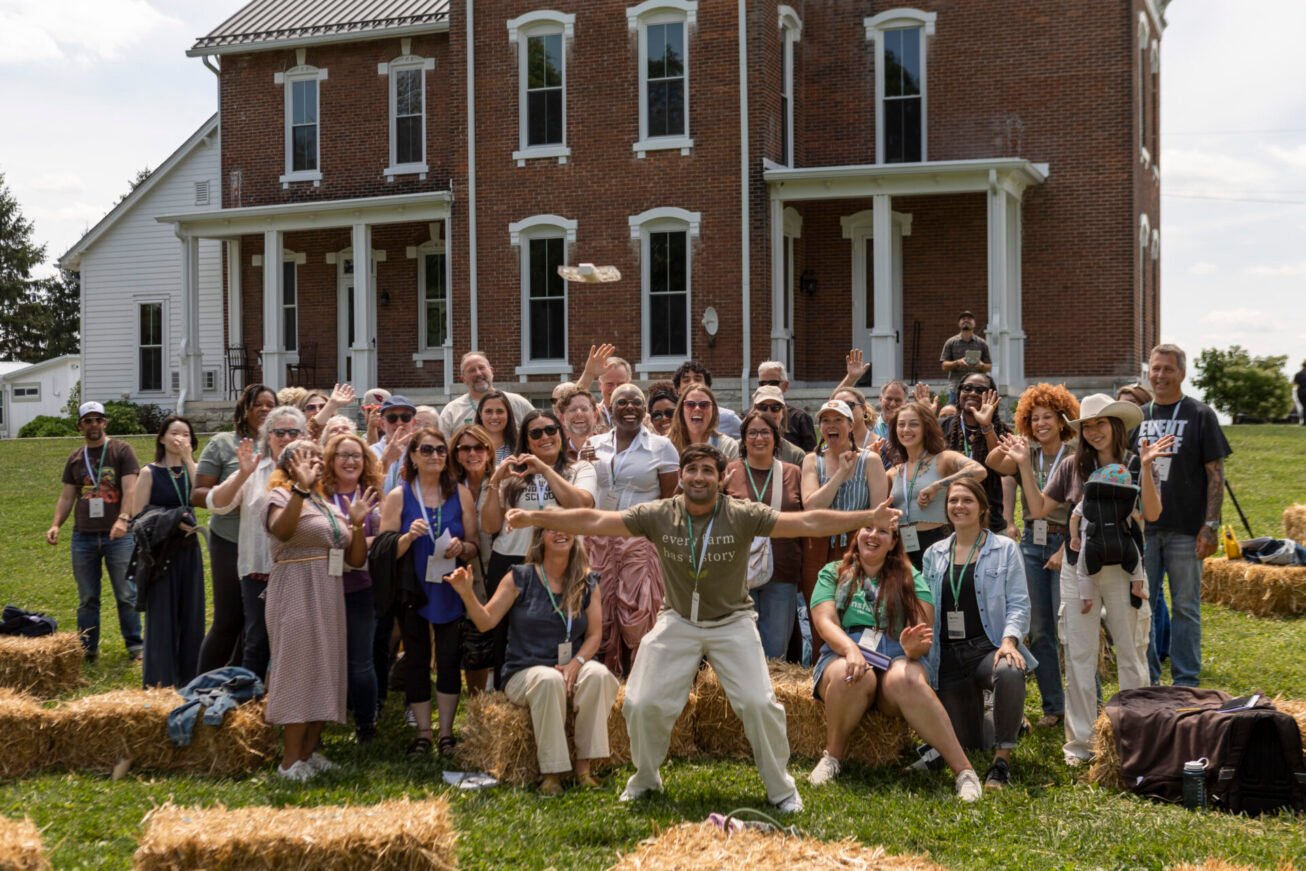
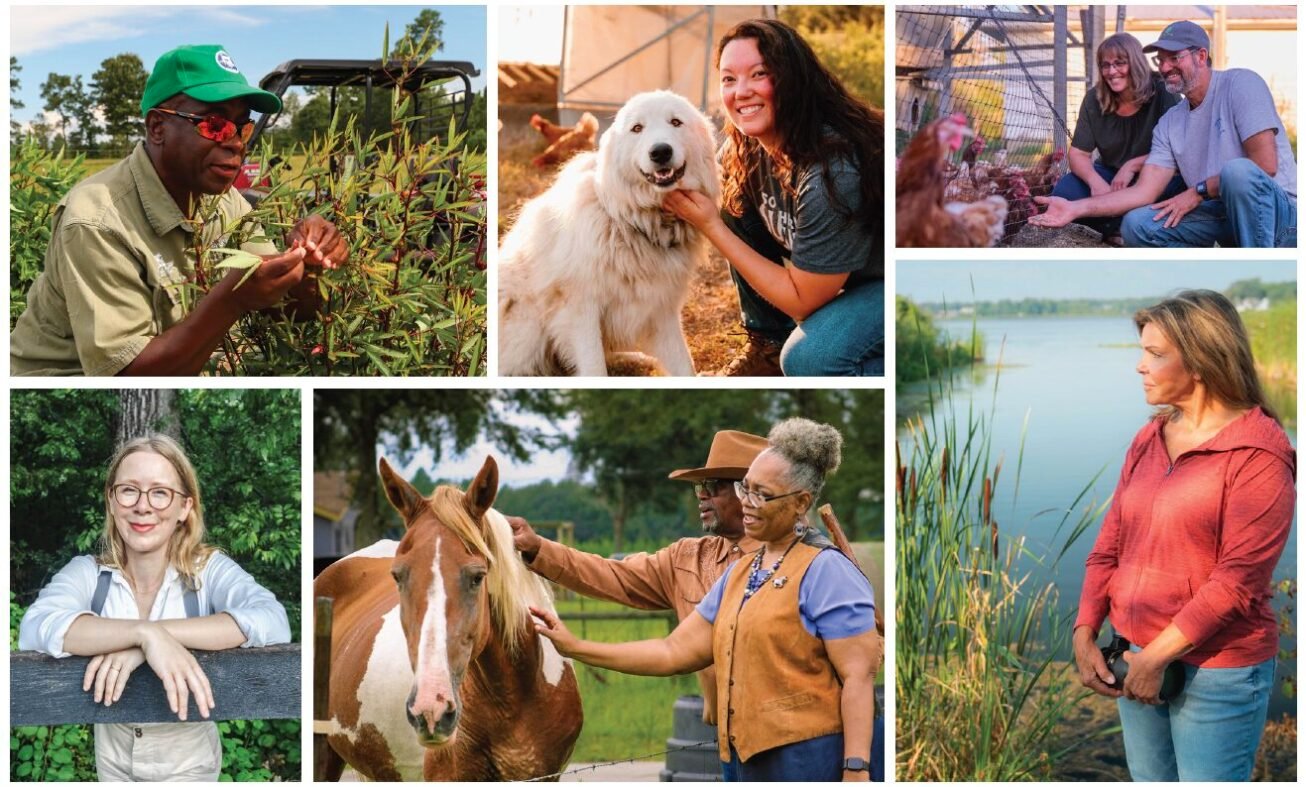
That sentiment was at the heart of our recent event with partners in Indiana last week. Together with UpRoot, SRAP co-hosted a first-of-its-kind summit pairing social media creators with family farmers and advocates.
“Stories have power and stories have impact. Stories can effect change,” said Sherri Dugger, Executive Director at SRAP.
Sherri hosted the narrative summit at her farm outside Indianapolis, providing attendees with an idyllic setting to consider how their own experiences with farming can help improve the food system.
“Hopefully they’ll come away from this event inspired to tell their stories and to share what they’ve learned,” she said.
UpRoot will continue working with content creators on social media to spotlight stories around agriculture and the food system. The group’s goal is to highlight the ways food producers and food consumers can work together to advocate for a more sustainable system.
Spotlight on Community Support at SRAP
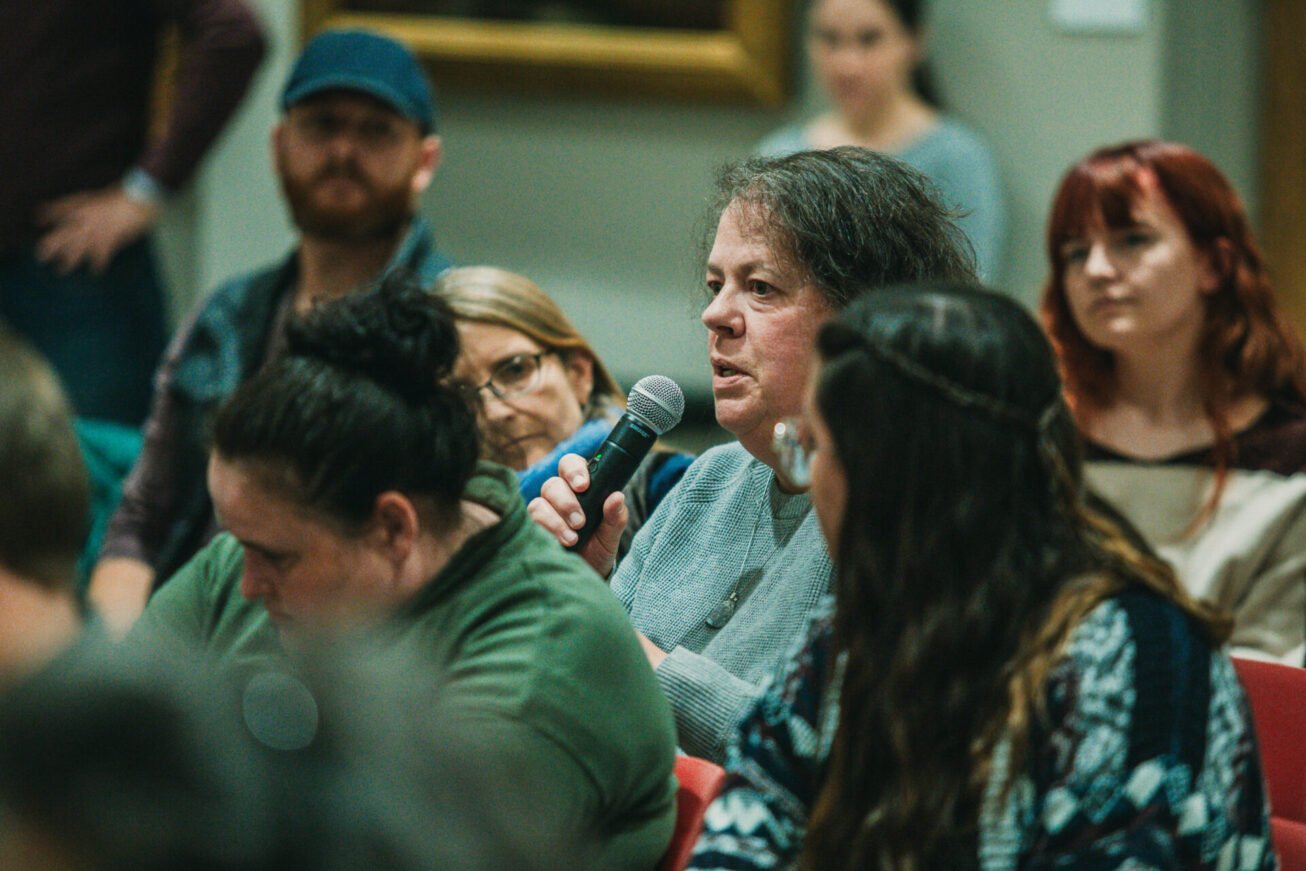
This summer, we’re shining a spotlight on a key part of our work, the Community Support Program (CSP) at SRAP. Comprised of farmers, community organizers, and technical experts, the CSP team helps protect rural communities from the harms of factory farming.
Whether residents need help navigating the complexities of permitting regulations, preparing to speak at a public hearing, or simply understanding the impacts of factory farms in their community, our team is here to help.
Most importantly, the CSP team assists communities for free. Because when rural residents are facing contaminated water and fly infestations, or are unable to open their windows and breathe fresh air, the last thing they need to worry about is if they can afford help.
2025 Annual Report
Thanks to supporters like you, 2025 was a year of real, on-the-ground work alongside farmers, families, and rural communities facing the impacts of industrial livestock production.
You made it possible for SRAP to provide direct assistance to communities organizing around water, air, and health concerns; train residents to monitor the waterways in their own backyards; and connect farmers and contract growers with resources and alternatives to industrial livestock systems.
Read our 2025 Annual Report to learn more about this work and the communities you helped support.
Upcoming Events
Community Forum in SW Missouri
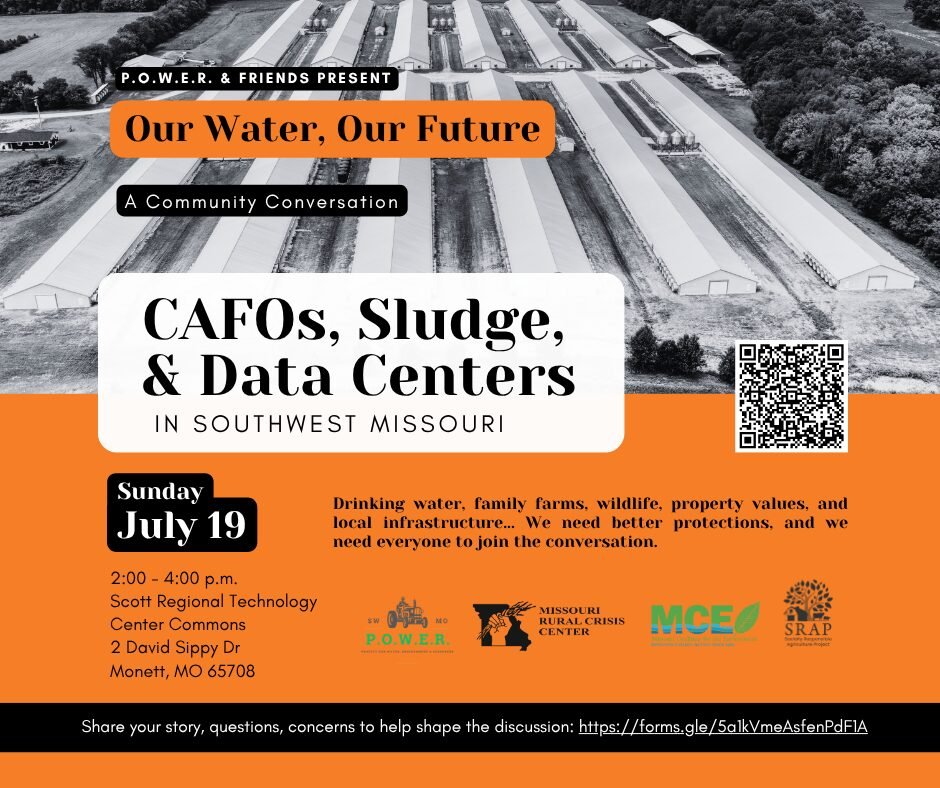
We’re teaming up with the Missouri Coalition for the Environment, the Missouri Rural Crisis Center, and others to host an important forum later this month. Residents will have a chance to speak directly with regional and state officials and share concerns about the industrial use of rural lands.
WHEN: Sunday, July 19, from 2–4 p.m. CDT
WHERE: Scott Regional Technology Center Commons, Monett, MO
New Worksheet from Water Rangers
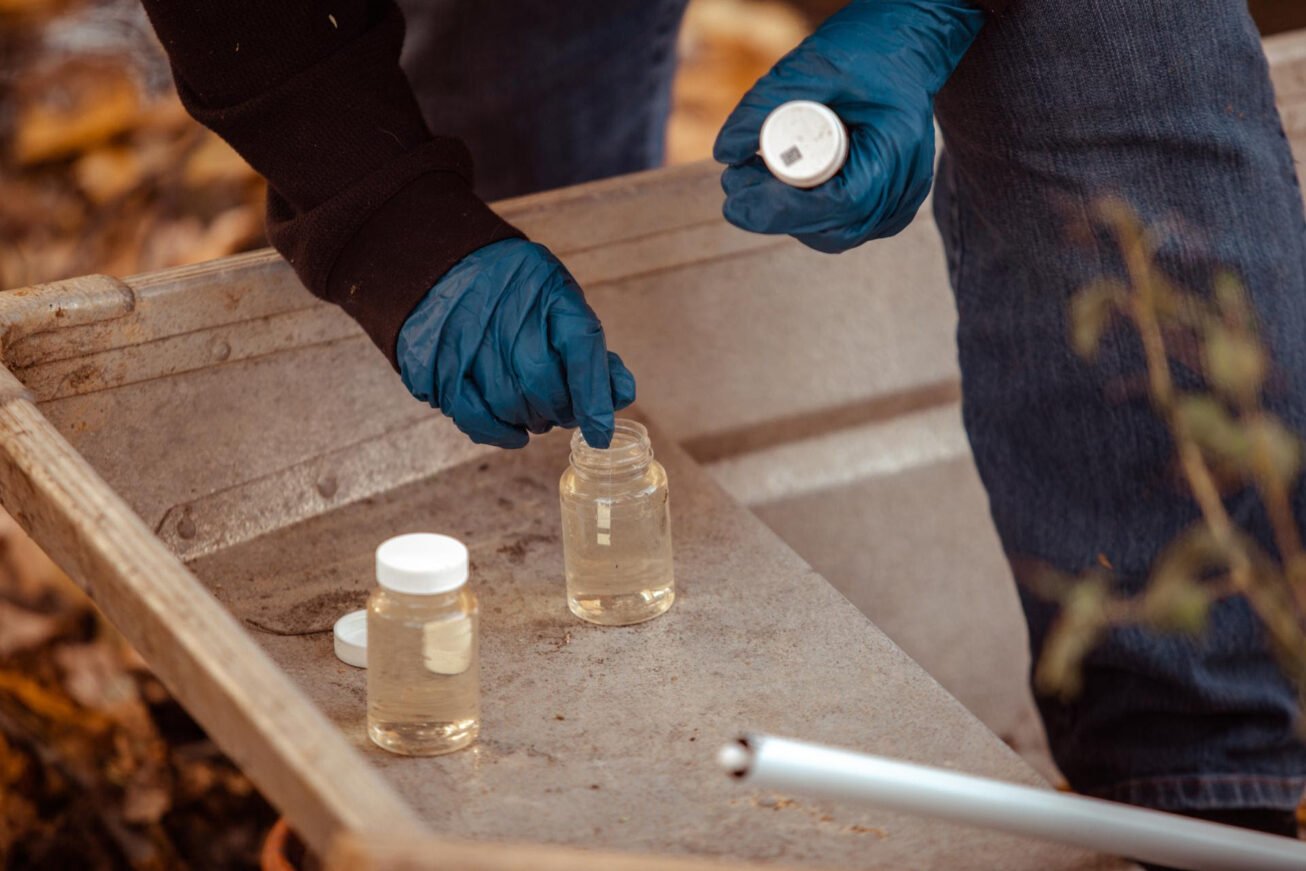
Developing a water monitoring plan is essential to successful water monitoring! Use this worksheet to answer questions, including: “Where should I monitor,” “What should I monitor for,” and “How often should I monitor.” We share best practices for each question to give you a starting point.
Reach out to waterrangers@sraproject.org for help developing your monitoring plan.
Support SRAP
If this work matters to you, we hope you’ll consider making a gift to carry our work forward. Your generosity is what allows SRAP to offer free support, trusted information, and real assistance when communities need it most.
For more than 20 years, SRAP has served as a mobilizing force to help communities protect themselves from the damages caused by industrial livestock operations and to advocate for a food system built on regenerative practices, justice, democracy, and resilience.